
Category: Miscellaneous
-

The SPS turns 50
Protons, antiprotons, electrons, positrons, oxygen and lead ions… the Super Proton Synchrotron (SPS) has been juggling particles with ease for the past 50 years.
-

MTE Generator Dismantling in B.367: Clearing the Way for POPS+
The generators of the Multi-Turn Extraction (MTE) kicker system have operated from Building 367 since 2015, playing a central role in beam production across the PS complex.
-

A 30-Year-Old Particle Detector Says Goodbye to Its Krypton
Earlier this summer, one of CERN’s longest-running particle physics experiments finished collecting data permanently.
-
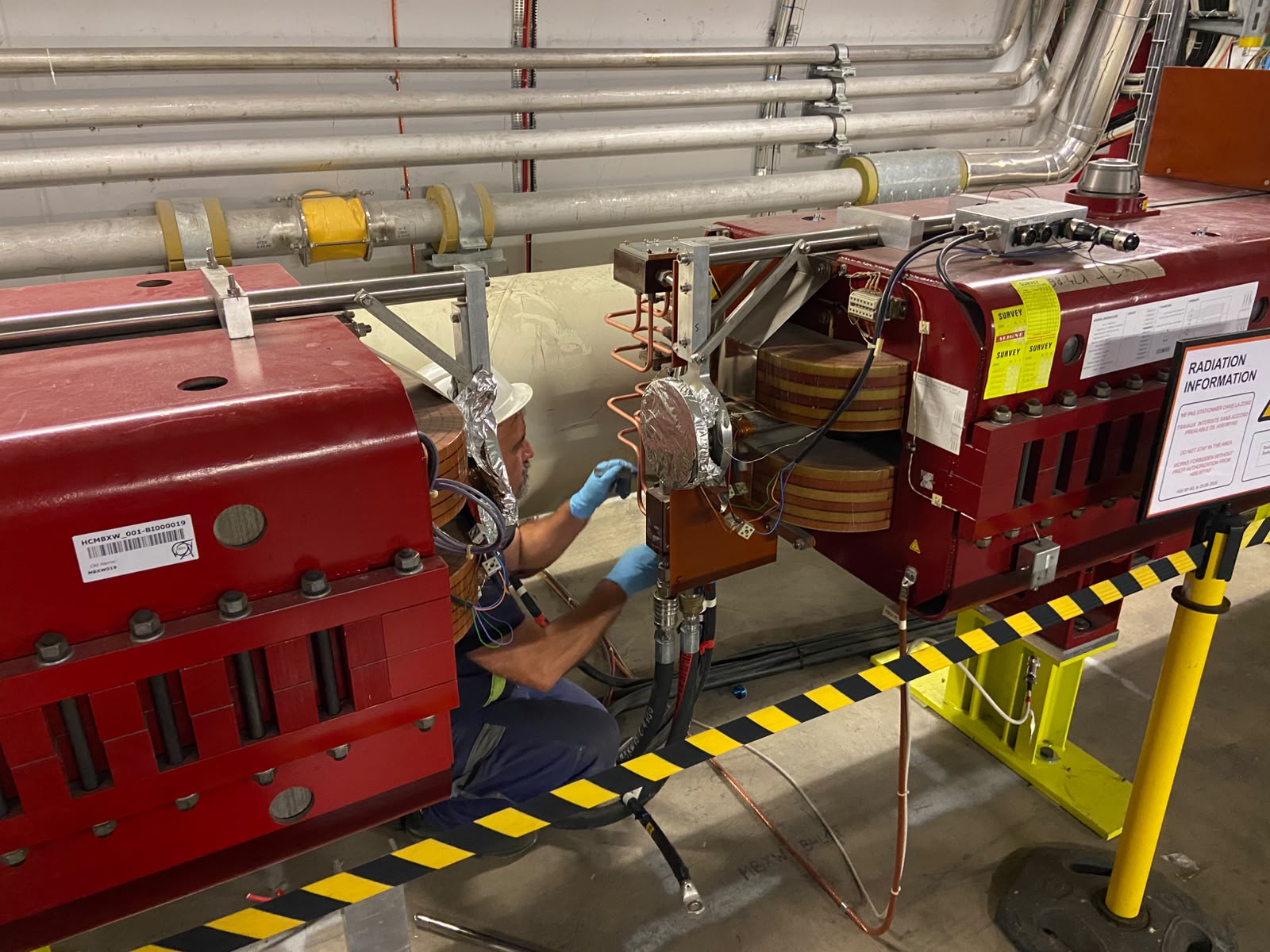
Making Way for Higher Luminosity: The D1 Separation Dipoles Removal
Inside the LHC, the two particle beams run side by side in opposite directions, kept at a distance of 194 mm from each other for most of their 27 km journey round the ring.
-
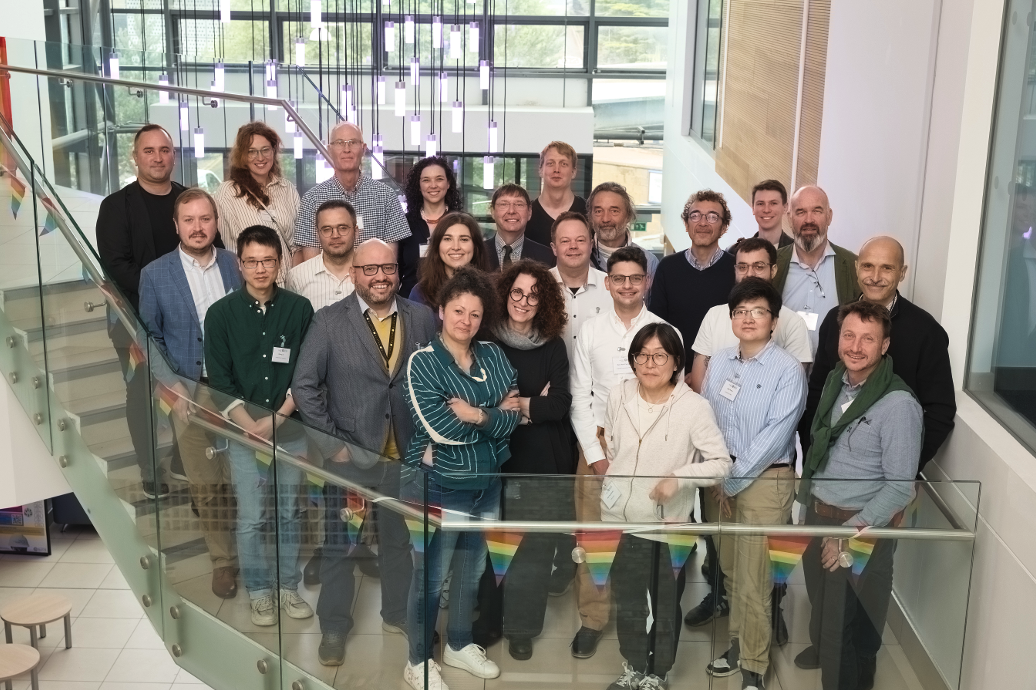
Building a Community Around Novel Low Density Materials
A workshop hosted by the University of Bath had brought together researchers from CERN, academia and industry to discuss advances in low-density materials and their applications for future accelerators
-
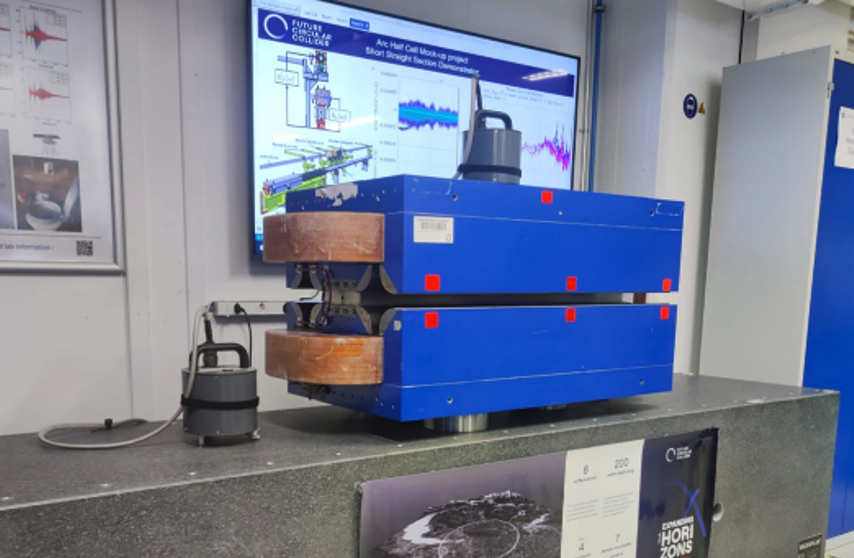
Ahead of the Wave: Early-Warning Digital Twin Converts Seismic Motion into Infrastructure Intelligence
Developed within the framework of the EN-MME Digital Twins initiative, a multidisciplinary collaboration across CERN teams has demonstrated a real- time predictive Digital Twin that converts ground motion into instant impact assessments for future colliders.
-
Project Management Meet Ups: sharing experience at CERN
Over the past two years, the Project Management Meet Ups (PMMUs) have grown into a regular forum for CERN colleagues to share practical experience, tools and lessons learned from managing projects across the Organization.
-
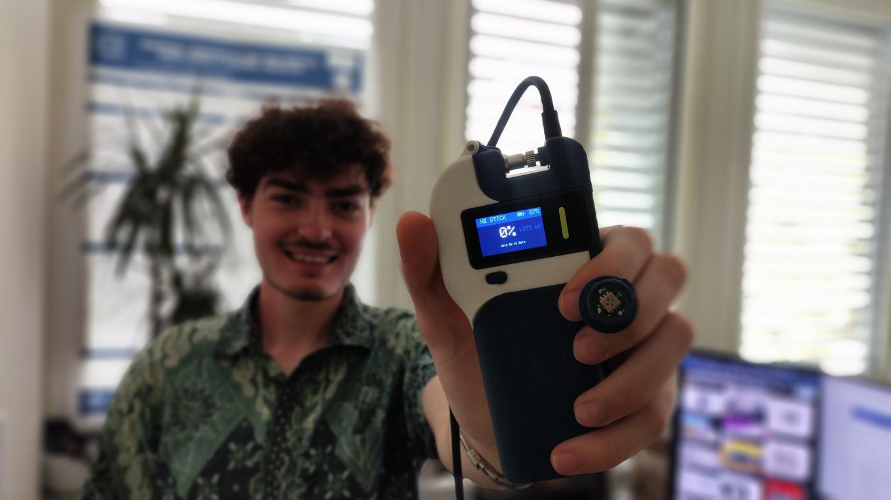
New wireless helium sensors for leak detection
To identify envelope leaks in large vacuum components, the piece is enclosed in a plastic envelope which is then filled with helium, while the component itself is pumped down and continuously monitored using a leak detector. Due to the size of the components under test, these measurements often need to run for several hours before…
-
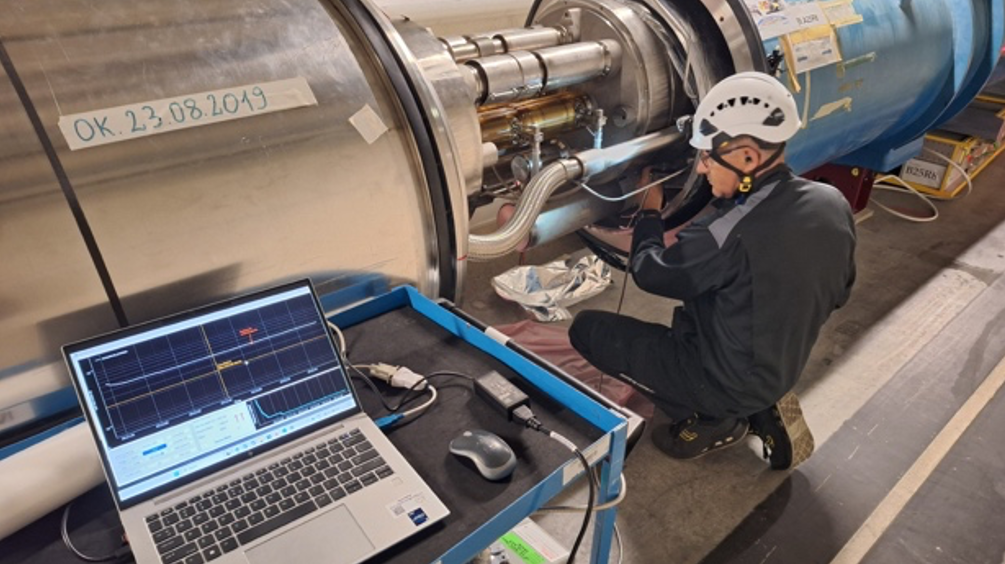
TE-VSC progress chasing leaks [Subtitle – optional]
The LHC relies on more than 22 kilometres of superconducting magnets operating at cryogenic temperatures. To maintain these extremely low temperatures, the magnets are housed inside cryostats surrounded by an insulation vacuum.
-
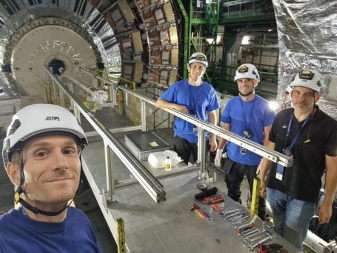
Dismantling the CMS beam vacuum system for the HL-LHC upgrade
The LHC beam vacuum system belonging to the CMS experiment spans 44.36 m around Interaction Point 5 and comprises three different beam vacuum sectors. The most significant of these, IP5.X, extends over 38 m within the experimental cavern UXC55.