
Category: TE News
-
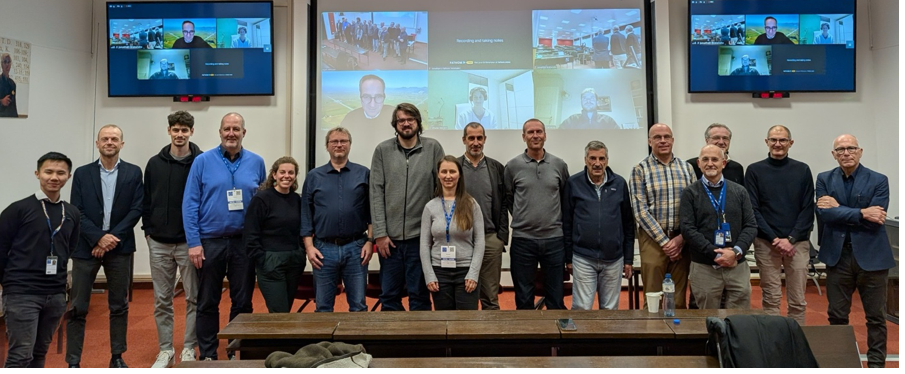
CERN Hosts Technical Exchange for the Einstein Telescope
On 19–20 January, CERN welcomed representatives of the Einstein Telescope Organisation and the three candidate host sites for a technical exchange on the infrastructure and safety aspects of the future observatory. The discussions focused on underground construction, utilities, and operational safety, all of which are key elements in the design and implementation of the facility.
-
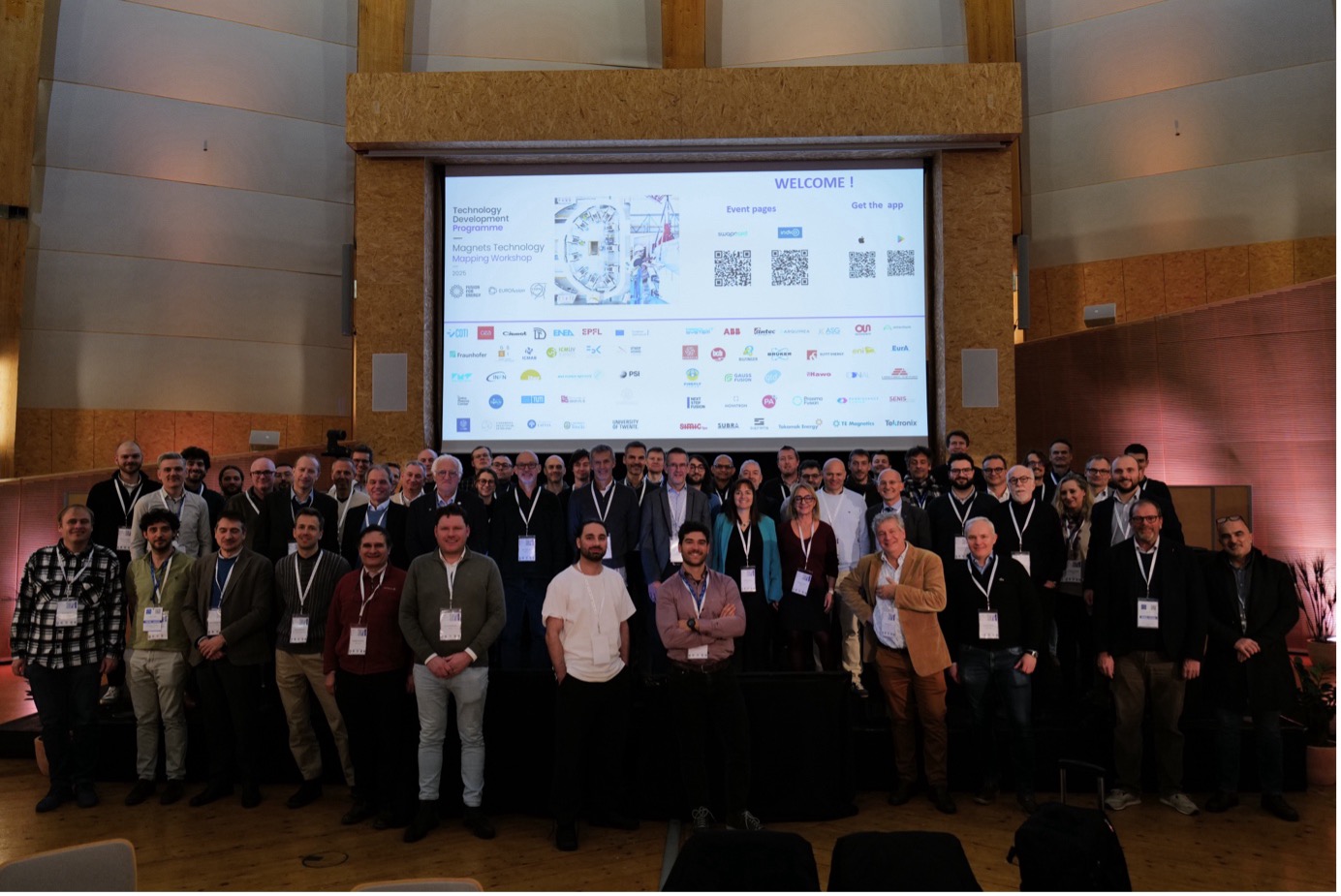
Technology Mapping for Superconducting Magnets: Europe Unites to Build a Roadmap for Fusion and High-Energy Physics
Experts from research laboratories, industry, start-ups and European funding bodies met at CERN on 26-27 November 2025 for the first Technology Mapping Workshop on Superconducting Magnets, a joint initiative of CERN, Fusion for Energy (F4E) and EUROfusion. The event marked a coordinated European effort to strengthen capabilities in one of the most critical technologies for both fusion energy and high-energy physics.
-
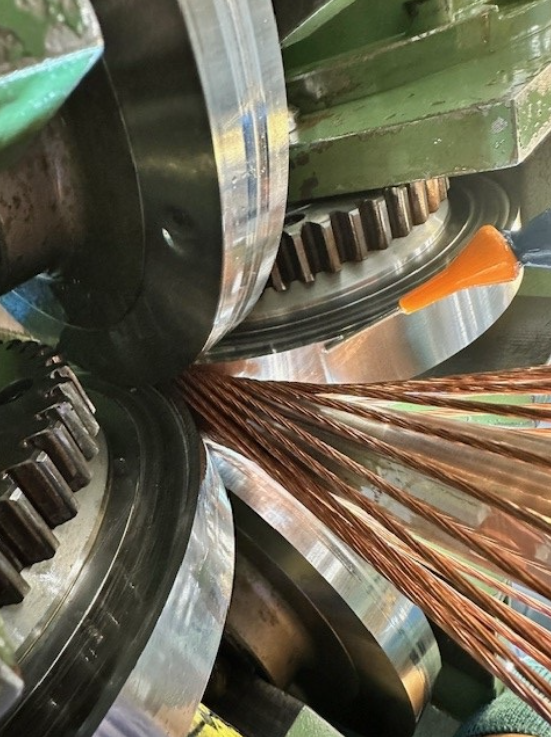
Fabrication trials of a cable made of sub-cable assemblies for EDIPO 2 magnet
The European Dipole (EDIPO) test facility, for testing fusion superconducting cables under high background magnetic fields, has been operated for several years by the Swiss Plasma Center (SPC) at the Paul Scherrer Institute (PSI) in Villigen, Switzerland.
-
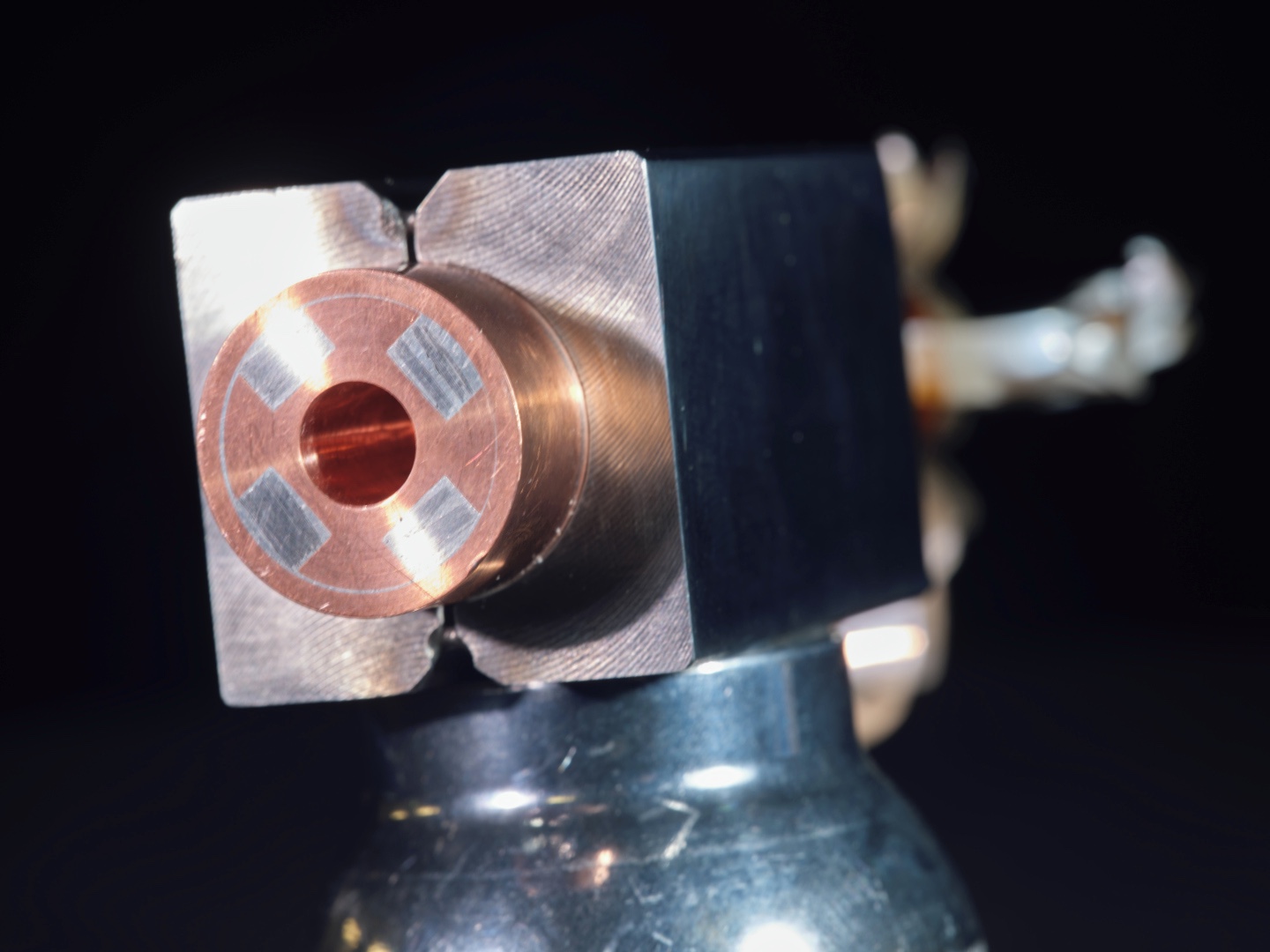
CERN and fusion energy, advancing together
On 10 September 2025, CERN and Fusion for Energy (F4E) signed a major framework collaboration agreement to advance scientific research and technological development
-
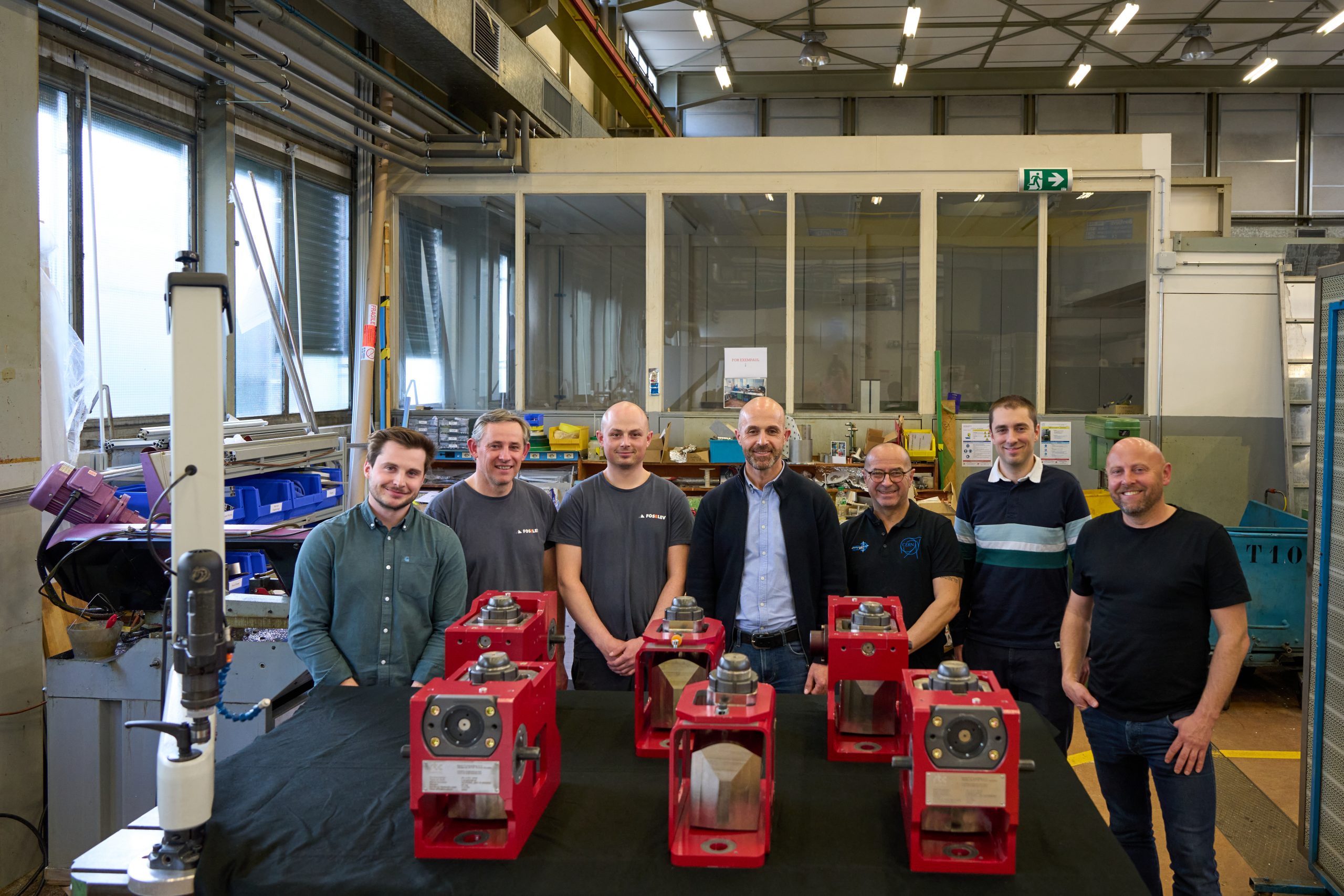
First batch of jacks for HL-LHC delivered at CERN
In March 2025, CERN received the first batch of jacks required to support and remotely align the HL-LHC magnets, TAXN absorbers, and crab cavity cryomodules.
-
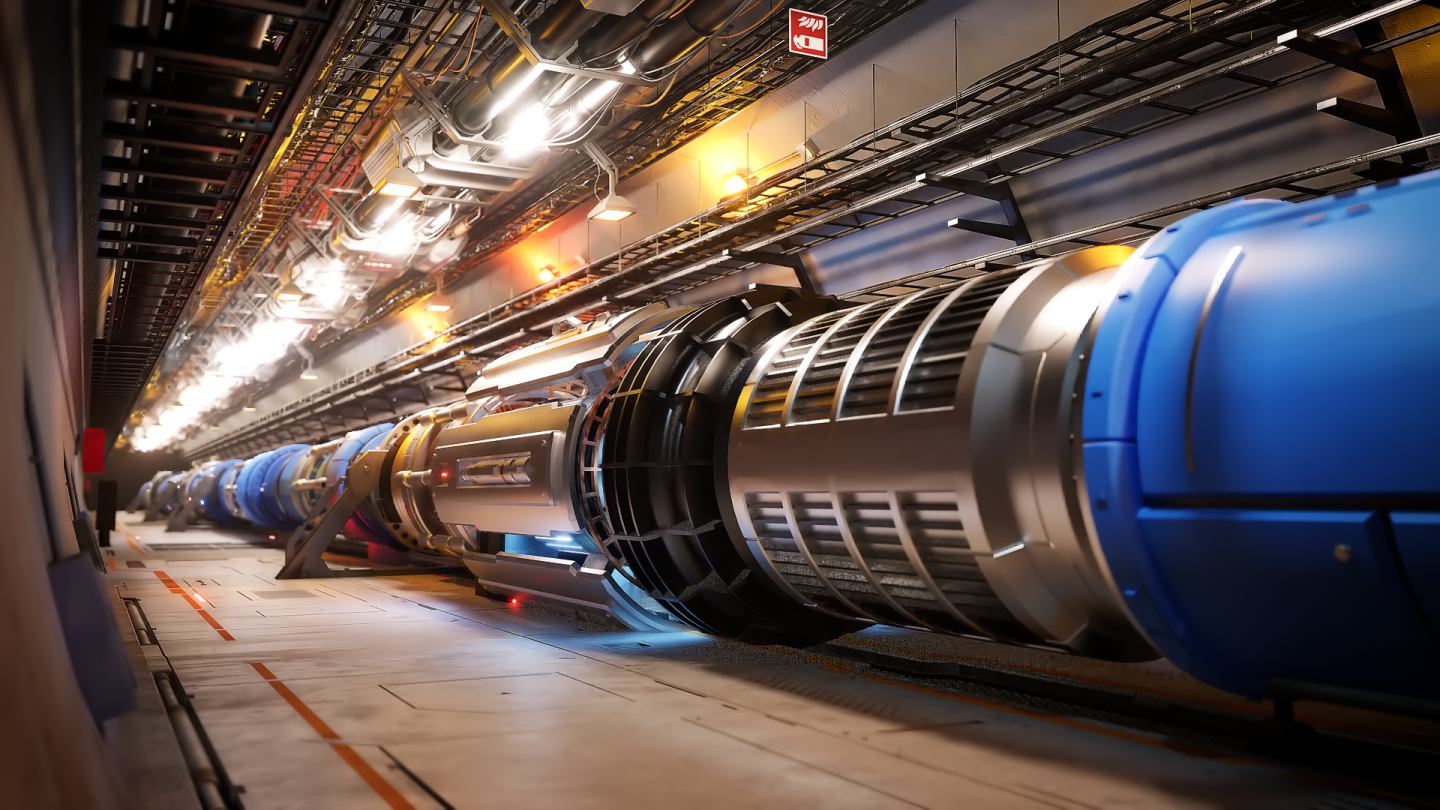
CERN releases report on the feasibility of a possible Future Circular Collider
After several years of intense work, CERN and international partners have completed a study to assess the feasibility of a possible Future Circular Collider (FCC). Reflecting the expertise of over a thousand physicists and engineers across the globe, the report presents an overview of the different aspects related to the potential implementation of such a…
-
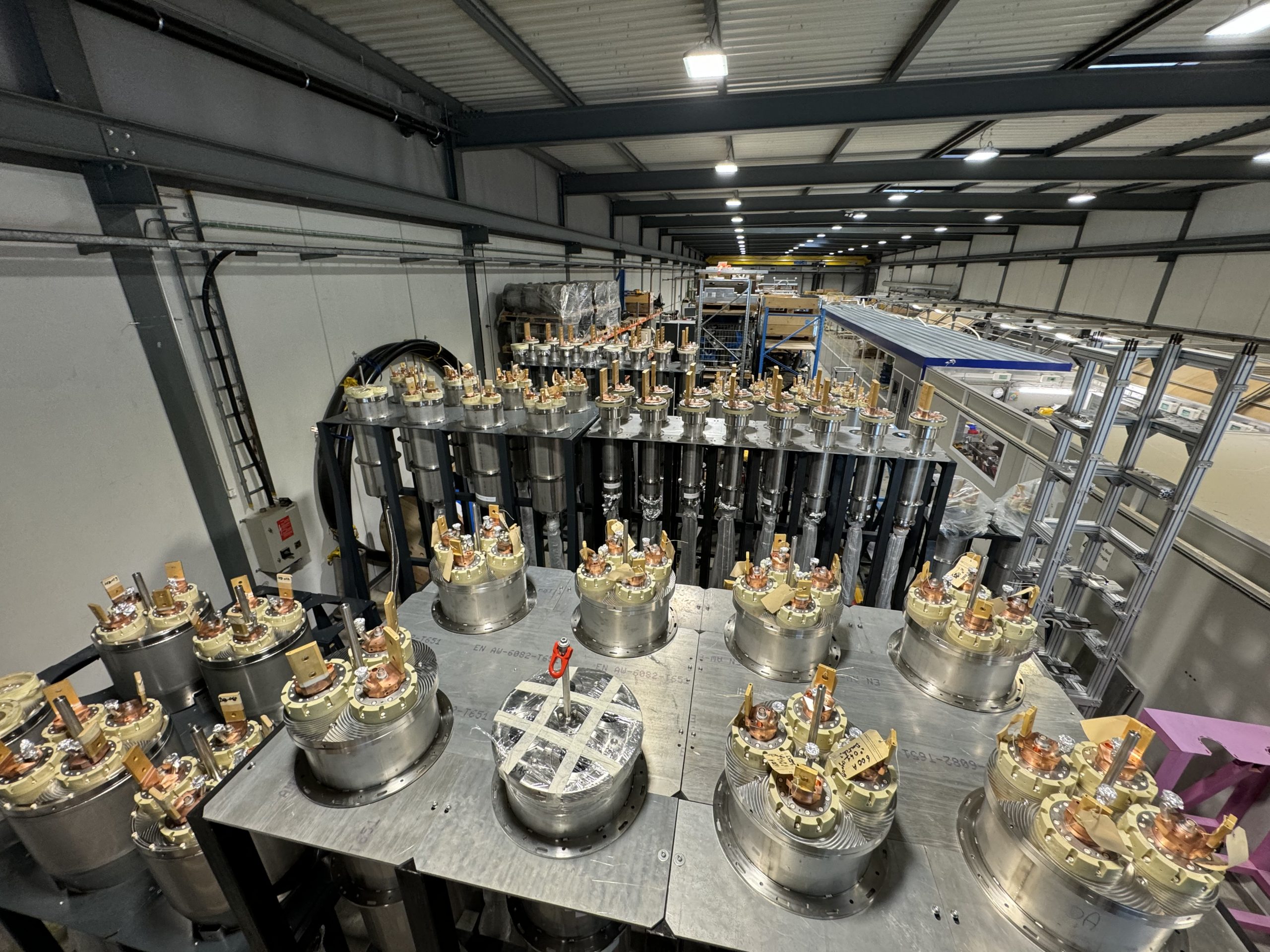
Final resistive parts of current leads for HL-LHC cold powering systems completed at CERN
At the end of February, the final resistive parts for the current leads for HL-LHC Cold Powering Systems (WP6A) were completed at CERN by EN-MME.(WP6A) were completed at CERN by EN-MME.
-
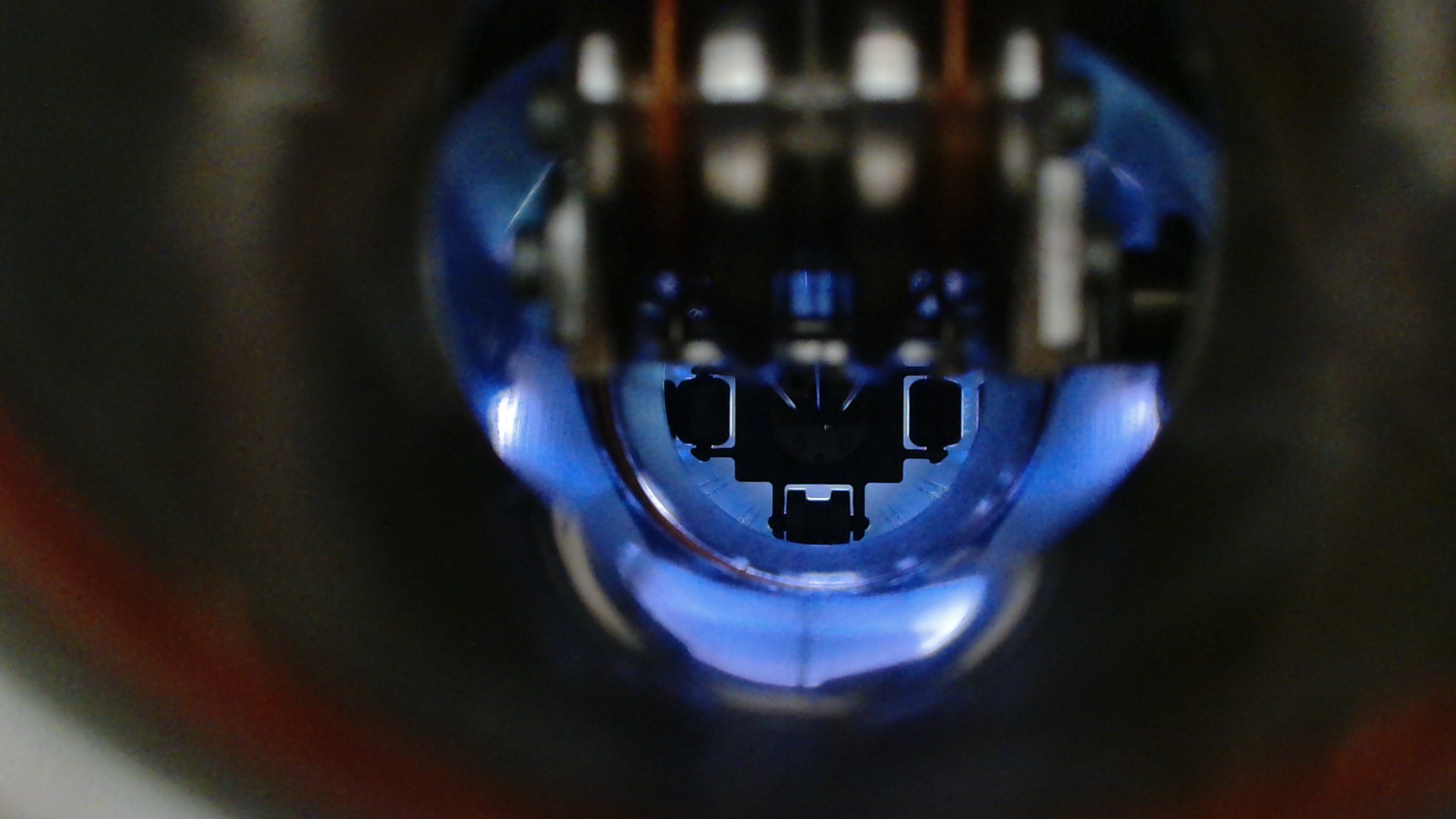
First series beam screen for the HL-LHC with amorphous carbon coating
The first beam screen in the series for the HL-LHC has been coated with new amorphous carbon coating. This amorphous carbon coating will decrease the release of secondary electrons from the beam screen itself, avoiding the formation of electron clouds and therefore reducing the heat load to the cryogenic system as much as possible.
-
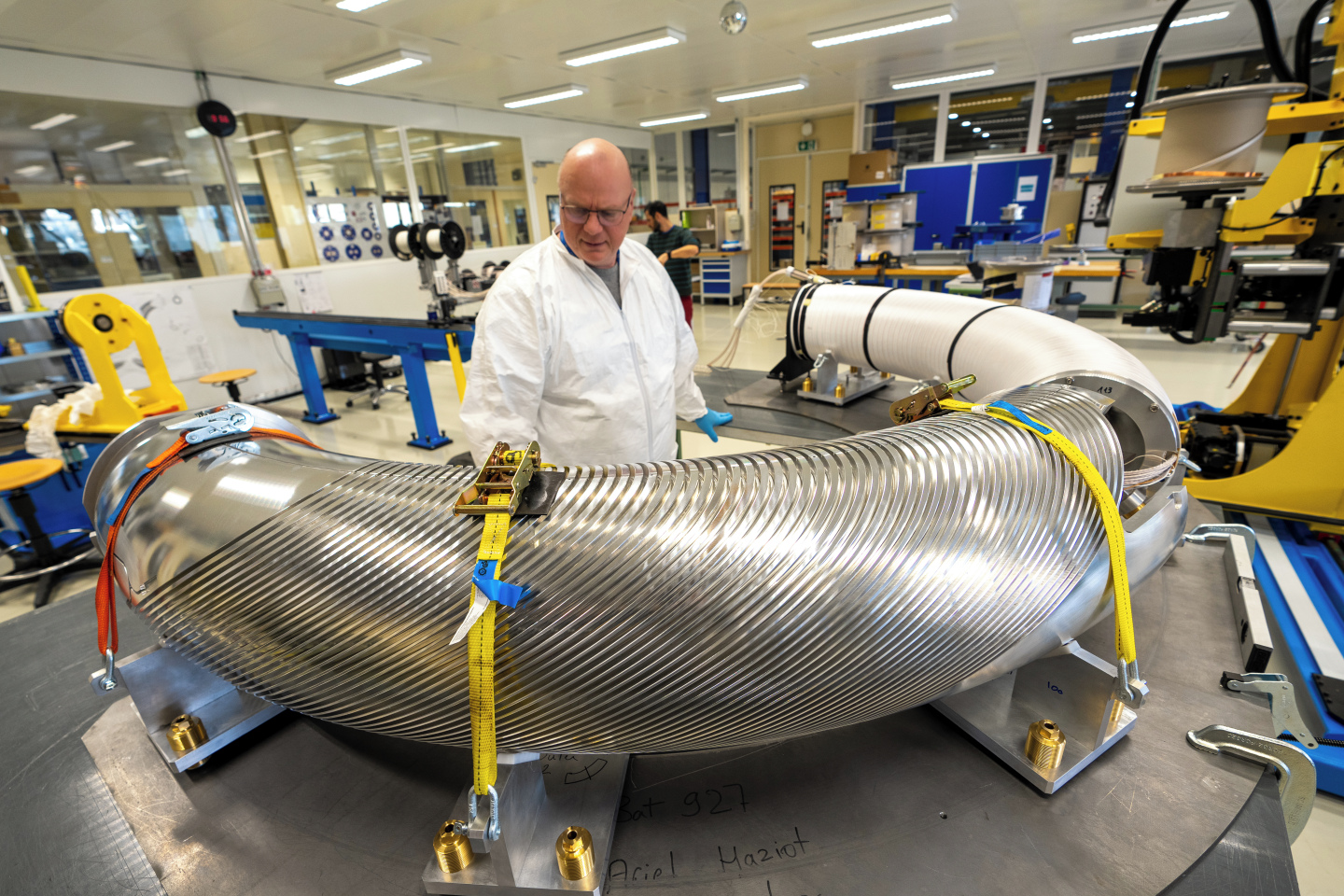
A curved magnet with much potential
What do rope winding and giant pasta shapes have to do with particle physics? The answer is a new superconducting magnet prototype under development at CERN, lovingly named Fusillo because of its shape. Originally,
-
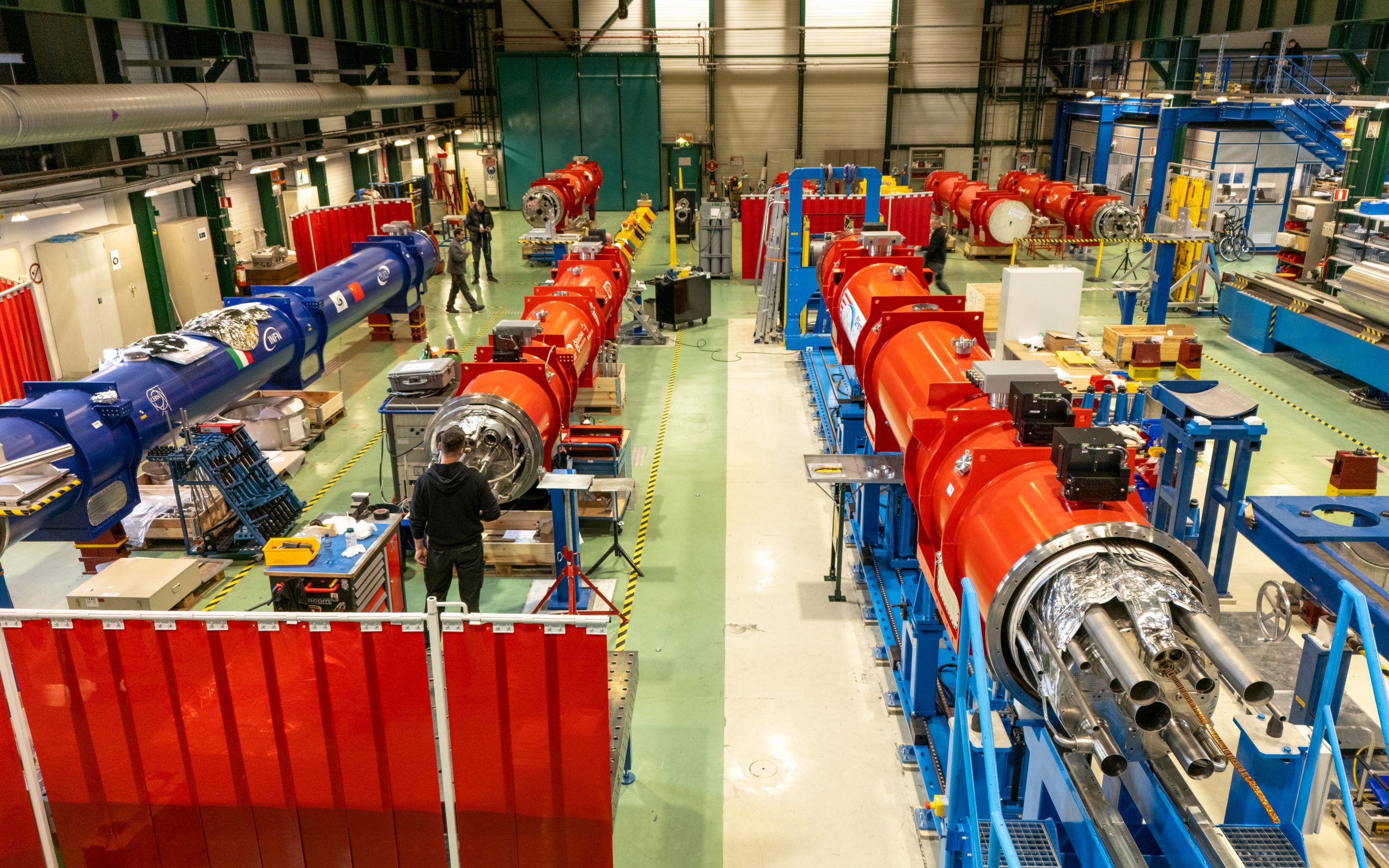
Magnet deliveries kicking off the year
In the last couple of months, CERN has received three magnet shipments for the HL-LHC project: the first D1 series cold mass, the sixth series D2 corrector magnet, and the second series US-AUP cryoassembly.