
Category: HL-LHC News
-
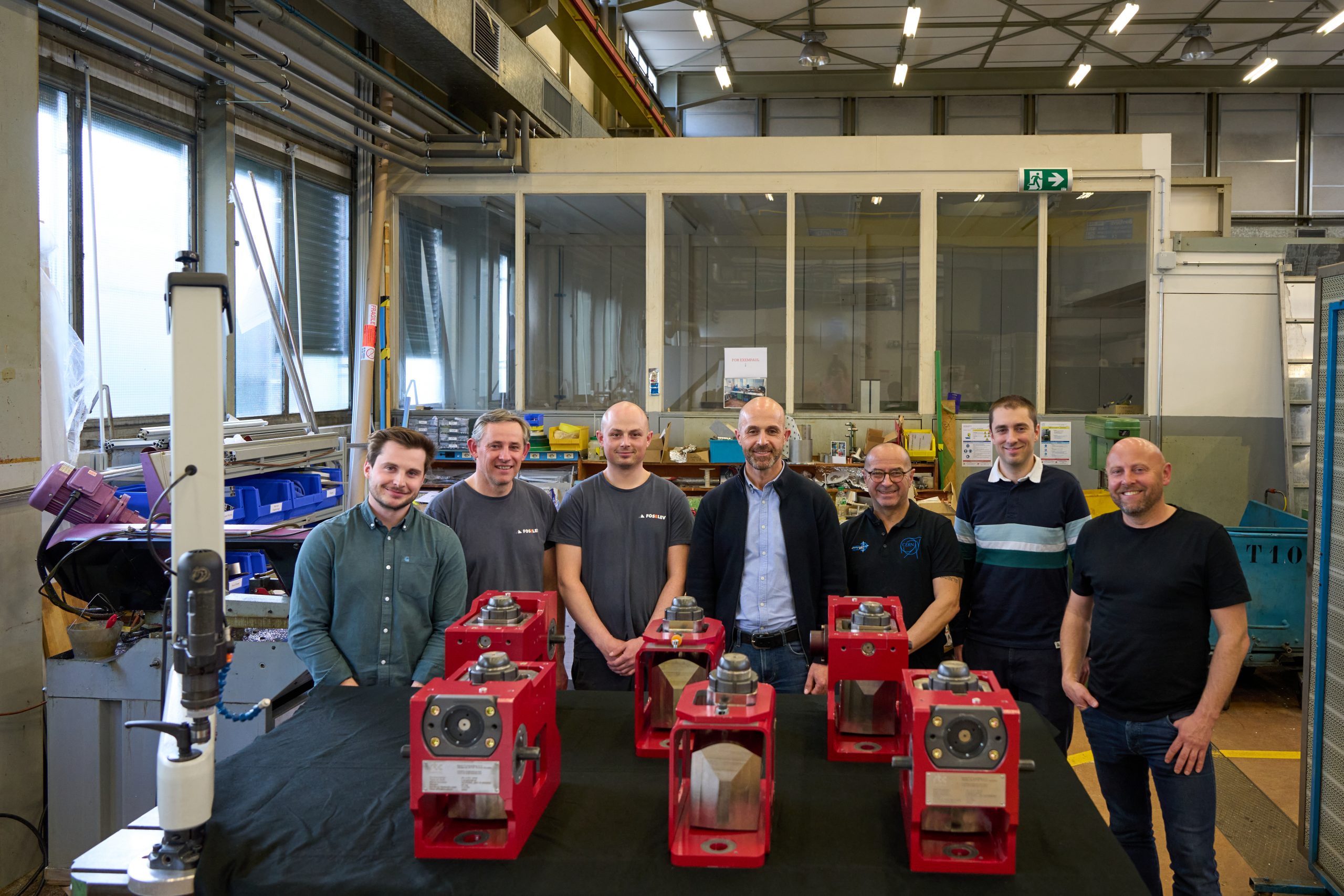
First batch of jacks for HL-LHC delivered at CERN
In March 2025, CERN received the first batch of jacks required to support and remotely align the HL-LHC magnets, TAXN absorbers, and crab cavity cryomodules.
-
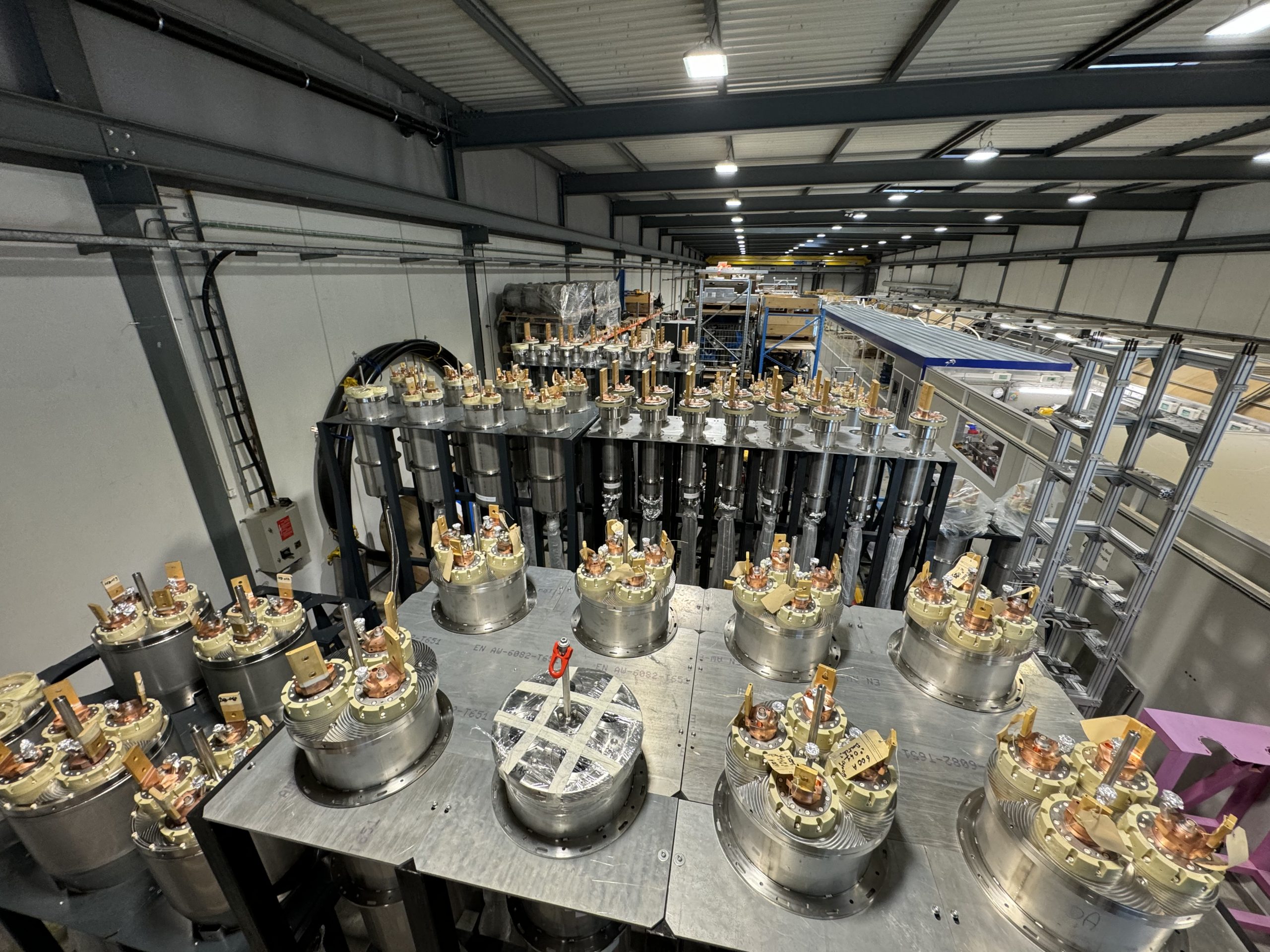
Final resistive parts of current leads for HL-LHC cold powering systems completed at CERN
At the end of February, the final resistive parts for the current leads for HL-LHC Cold Powering Systems (WP6A) were completed at CERN by EN-MME.(WP6A) were completed at CERN by EN-MME.
-
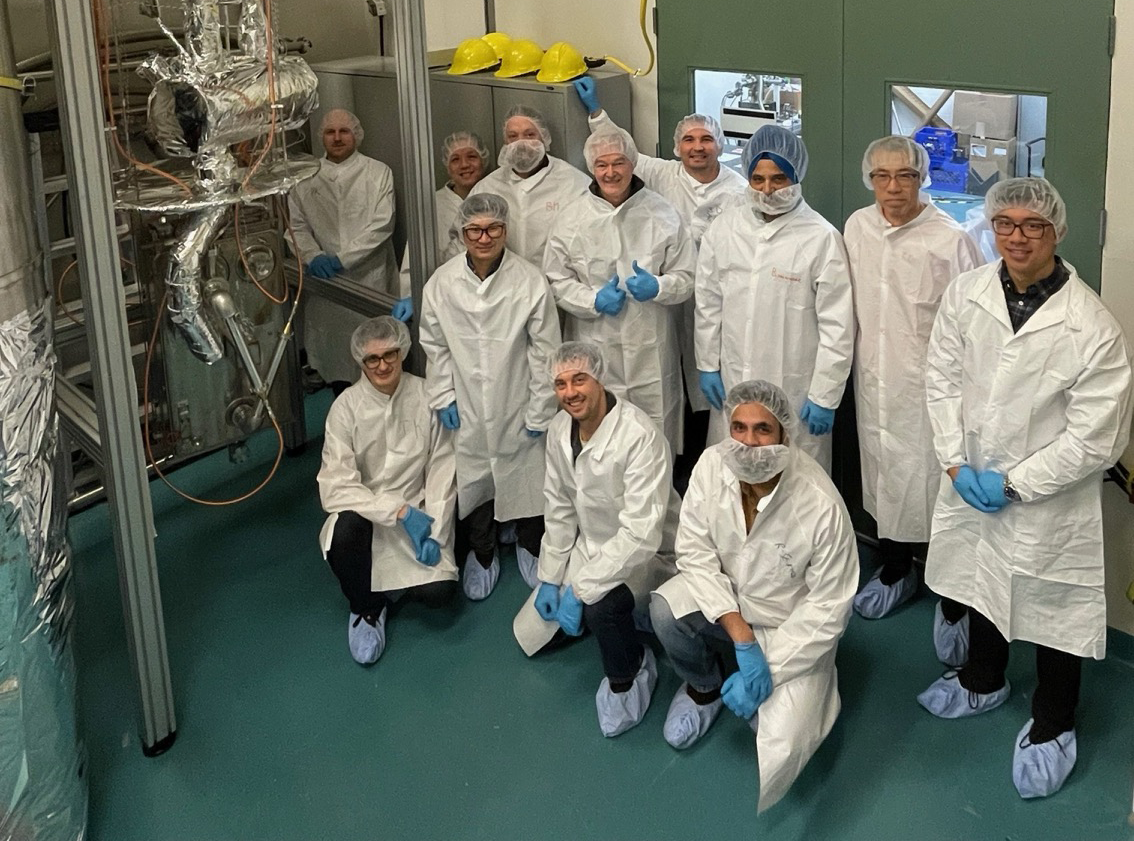
First RFD cold test at TRIUMF, Canada
First RFD cold test at TRIUMF, Canada By Florence Thompson (CERN) and Bob Laxdal (TRIUMF) The HiLumi Project Canadian contribution is now really kicking off with the reception of the first prototype RFD cavity, contributed by the US-AUP collaboration.
-
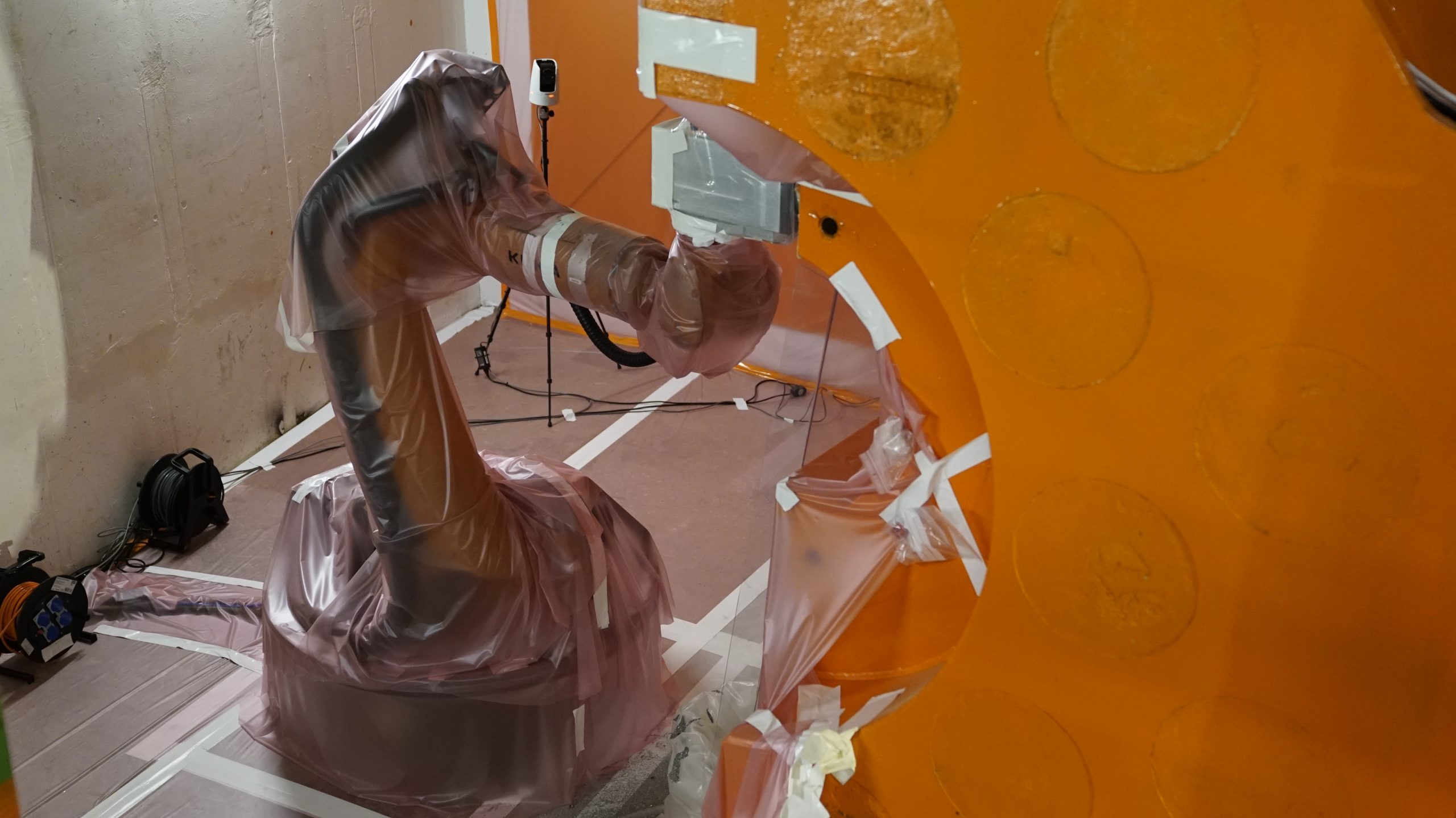
Robotic solution: successful preparation of the CMS rotating shielding for future HL-LHC vacuum module installation
The CMS rotating shielding has now been successfully modified in-situ to prepare it to receive new vacuum modules for the HL-LHC, using a specifically designed method to deal with the space and radiation constraints of this complex manoeuvre.
-
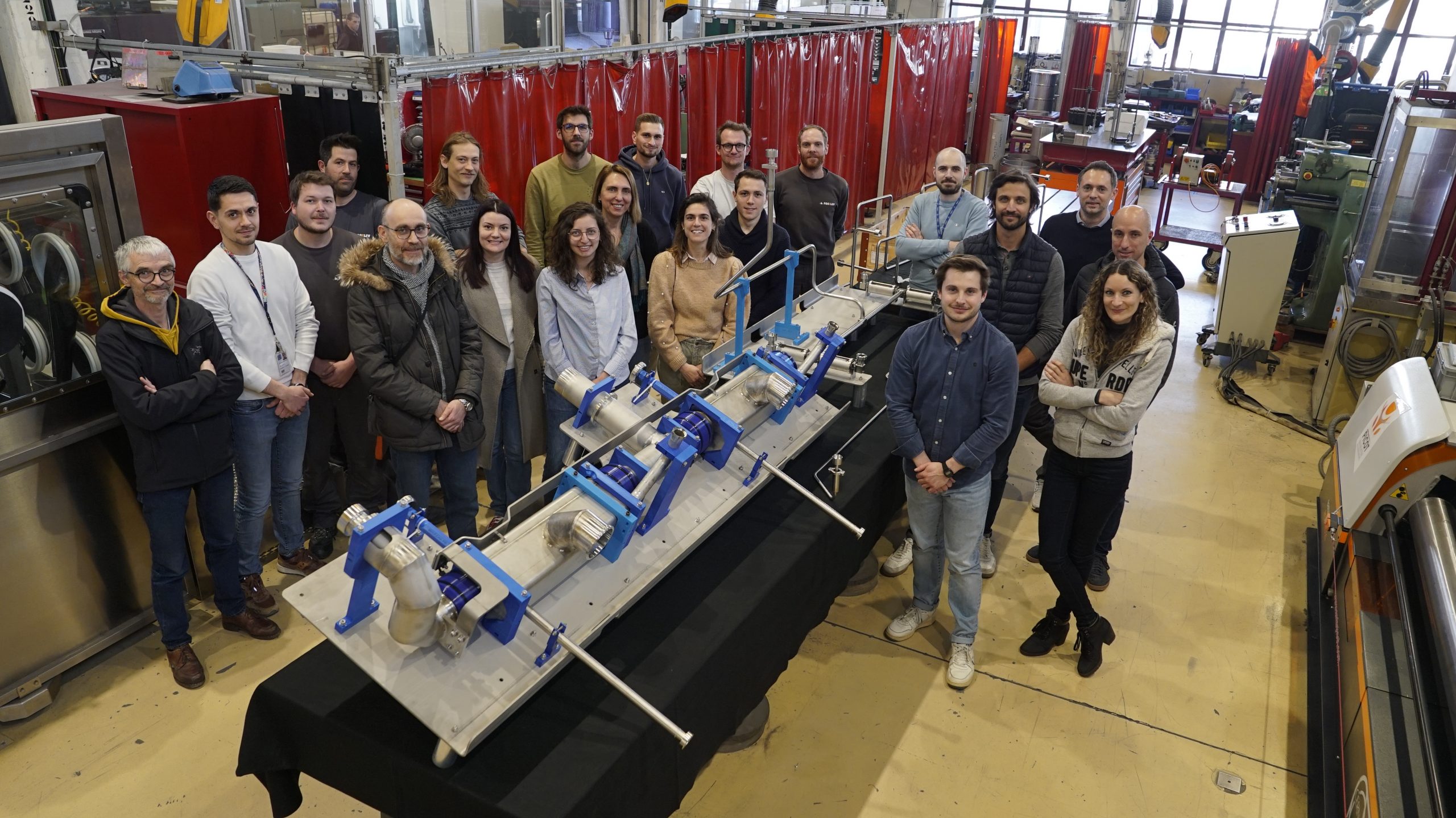
First series cryogenic lines built for crab cavity cryomodules
First series cryogenic lines built for crab cavity cryomodules By Simon Barrière (CERN) Within the framework of the HL-LHC Work Package 4 (Crab Cavities & RF), the series production of cryogenic lines is actively underway at CERN’s EN-MME main workshop.
-
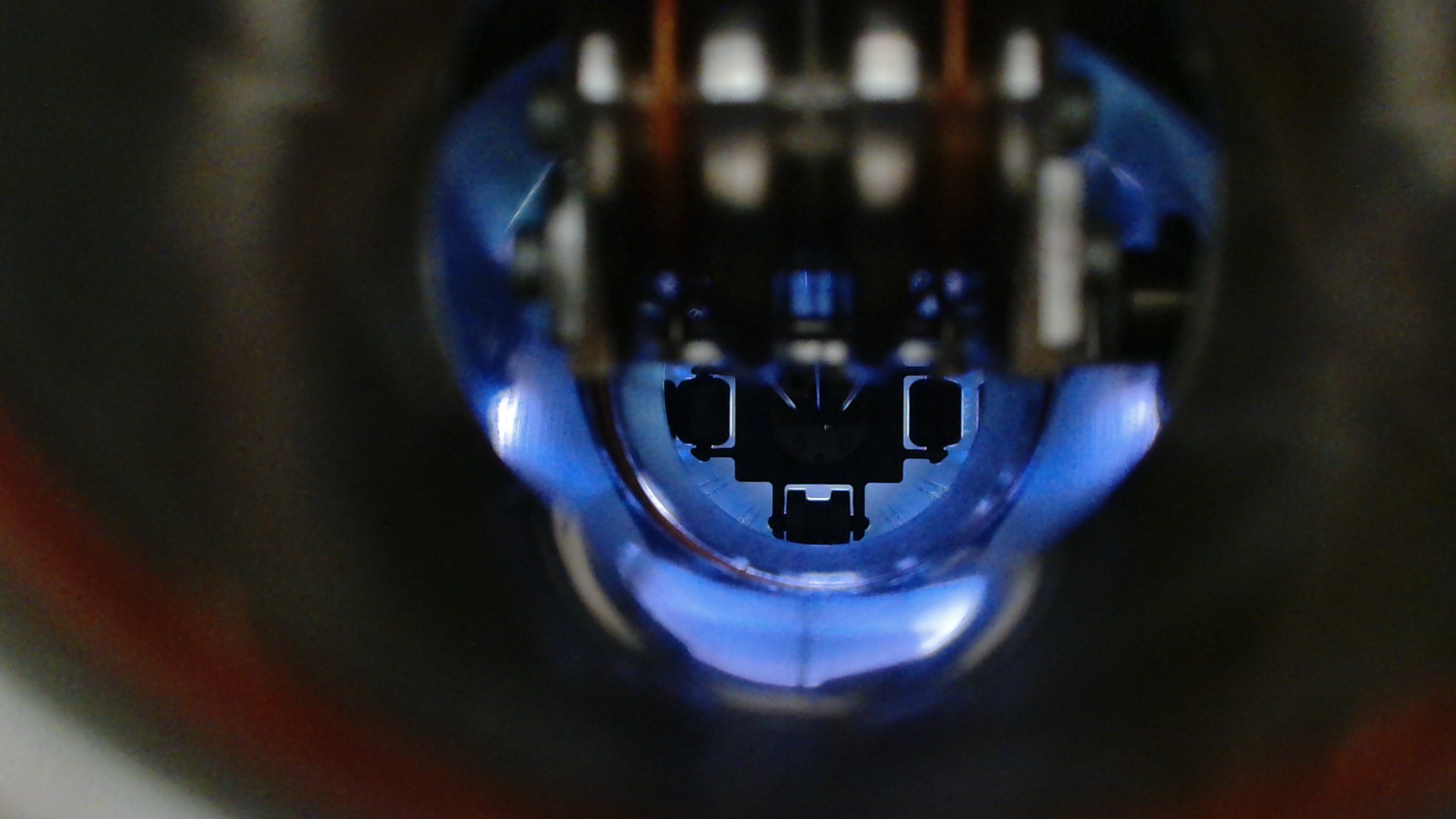
First series beam screen for the HL-LHC with amorphous carbon coating
The first beam screen in the series for the HL-LHC has been coated with new amorphous carbon coating. This amorphous carbon coating will decrease the release of secondary electrons from the beam screen itself, avoiding the formation of electron clouds and therefore reducing the heat load to the cryogenic system as much as possible.
-
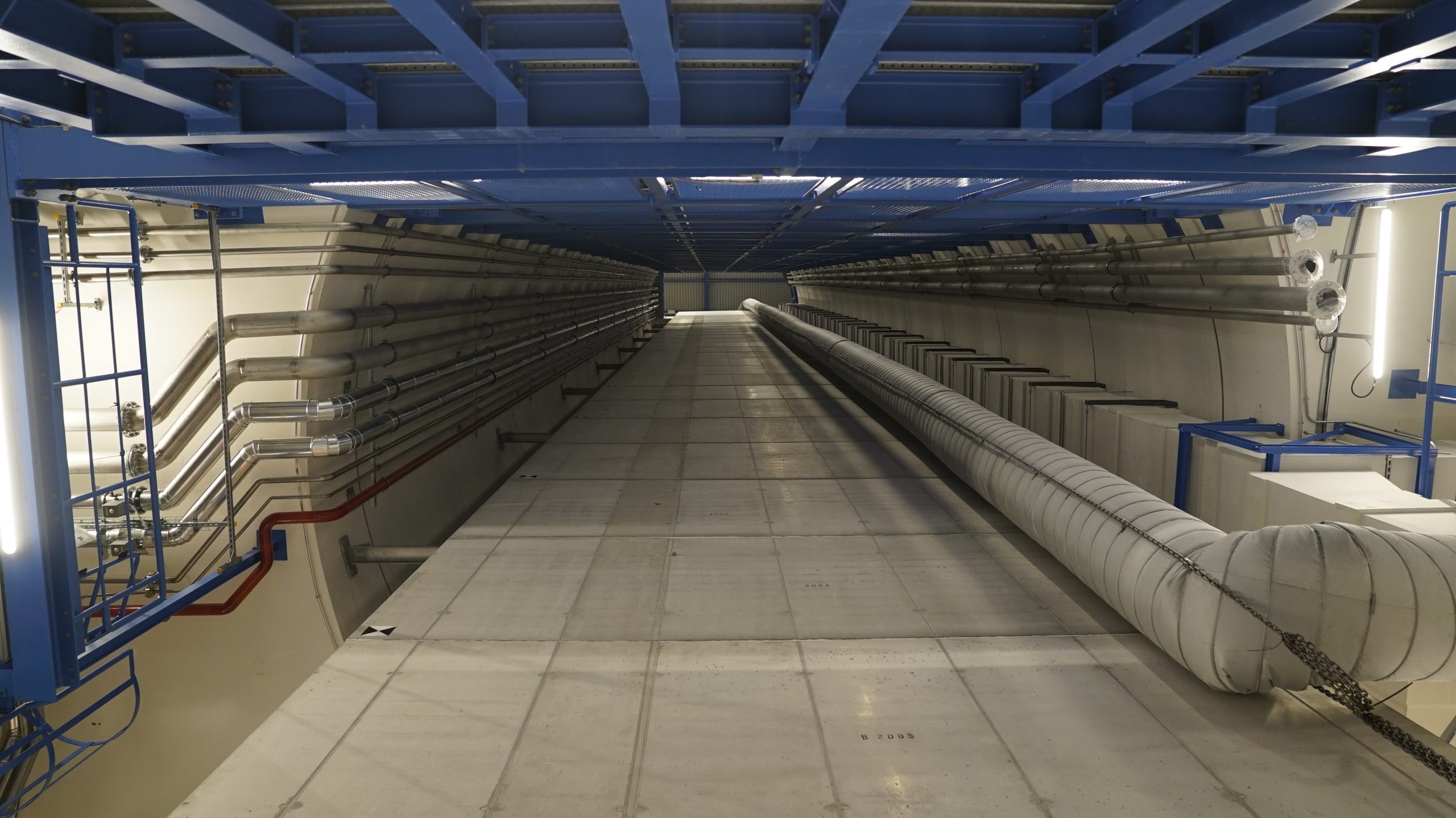
HL-LHC infrastructure and installations: 2024 progress setting us up for 2025
HL-LHC infrastructure and installations: 2024 progress setting us up for 2025 By Thomas Bauler and Paolo Fessia (CERN) 2024 was a challenging yet fruitful year for logistics and installation of the general services of the new HL-LHC galleries at CERN Points 1 and 5. 2025 will be a key year for the HL-LHC project with
-
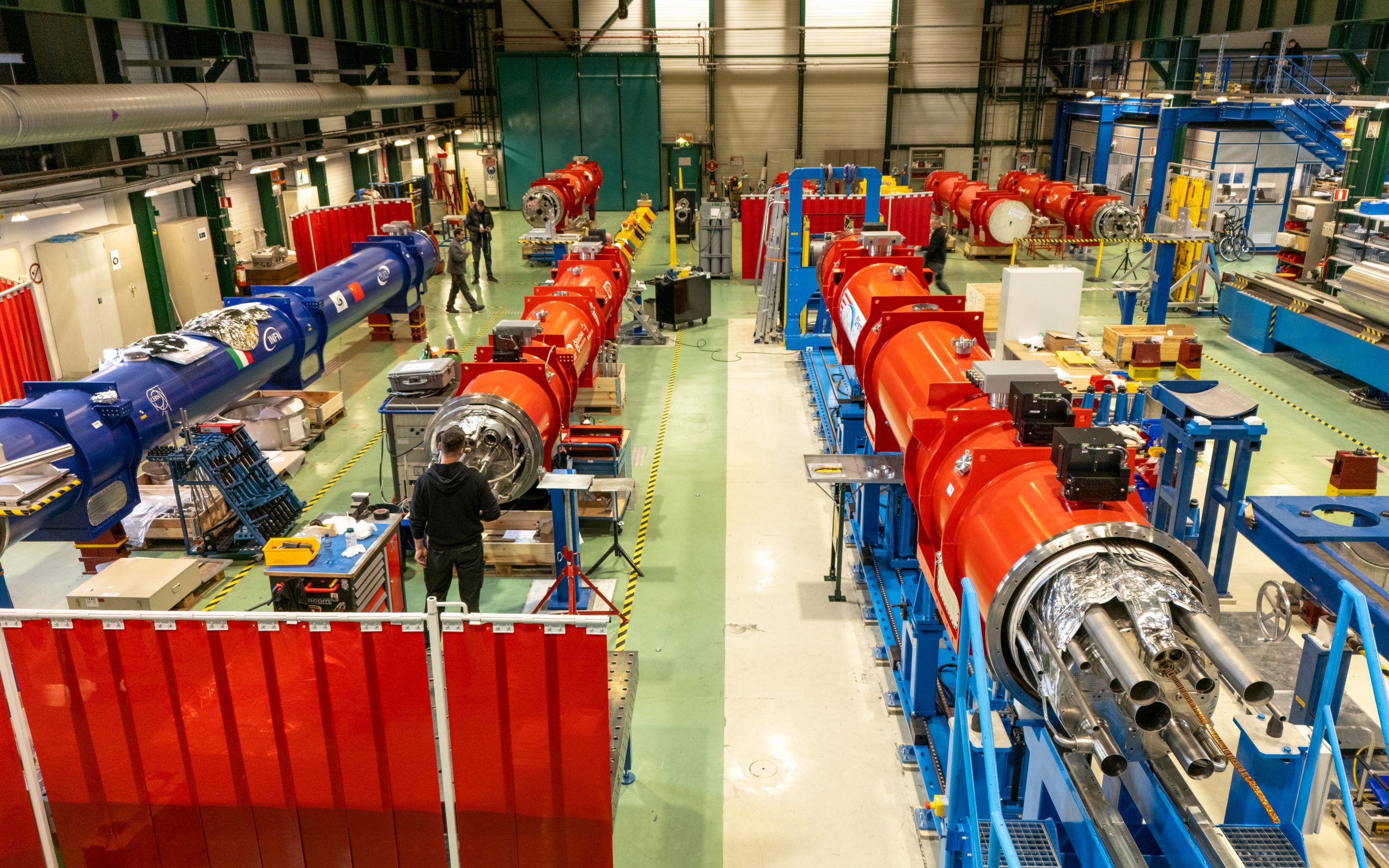
Magnet deliveries kicking off the year
In the last couple of months, CERN has received three magnet shipments for the HL-LHC project: the first D1 series cold mass, the sixth series D2 corrector magnet, and the second series US-AUP cryoassembly.
-
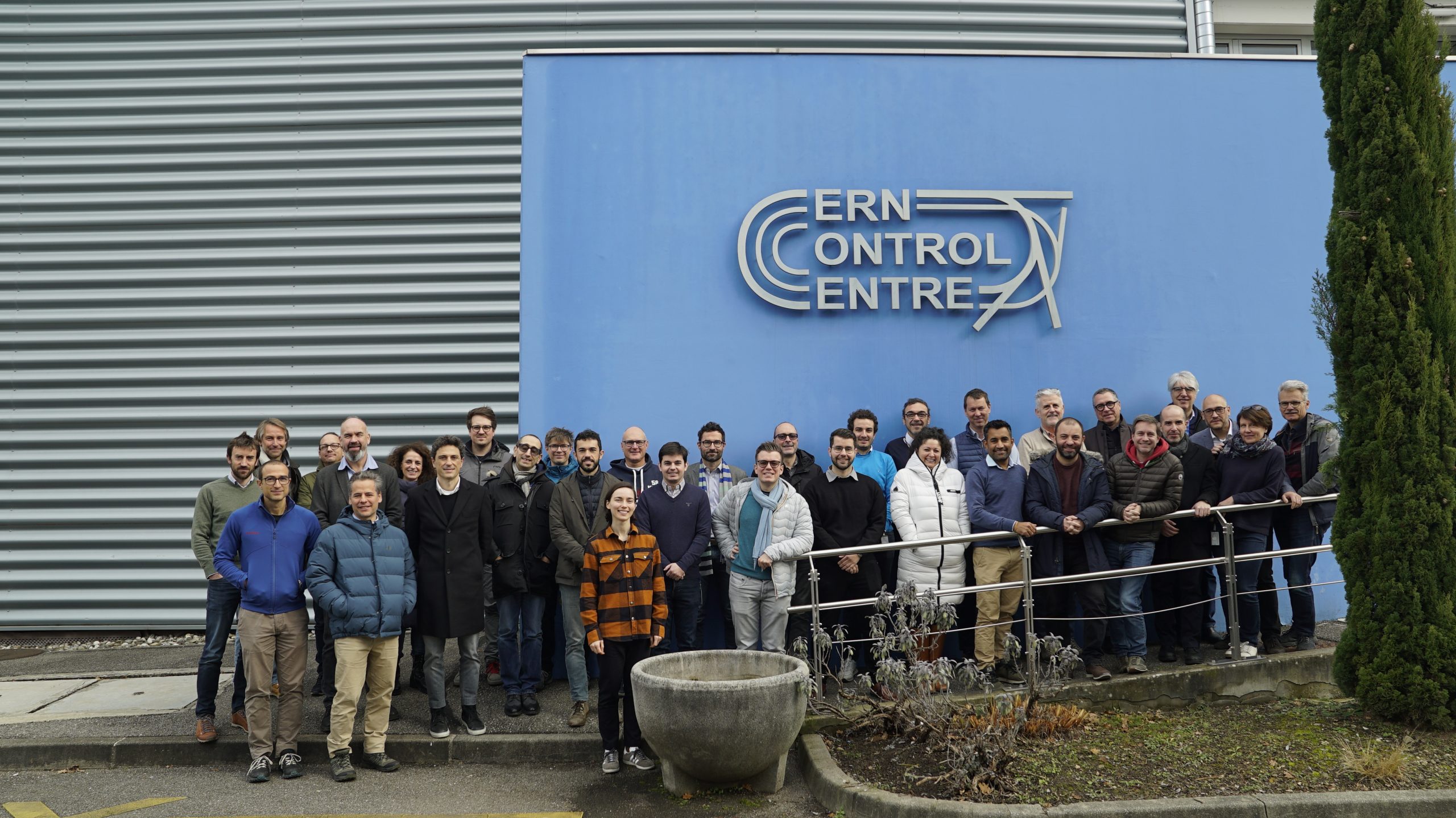
HL-LHC Beam Halo Monitoring System Review
HL-LHC Beam Halo Monitoring System Review By Federico Roncarolo (CERN) The review brought together experts from various CERN departments to evaluate the functional specifications and proposed technical solutions for beam halo monitoring in the High-Luminosity LHC era.
-
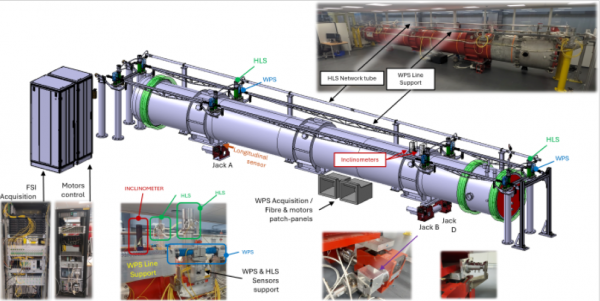
Full Remote Alignment System qualification on the Single Component Test mock-up
Full Remote Alignment System qualification on the Single Component Test mock-up By Mateusz Sosin and Hélène Mainaud Durand (CERN) Figure 1. SCT mock-up and installed FRAS sub-systems. The Full Remote Alignment System (FRAS) will be implemented on 68 components of the HL-LHC Project. As this will be a brand-new system, implemented in an accelerator for the