Category: CAS News
-
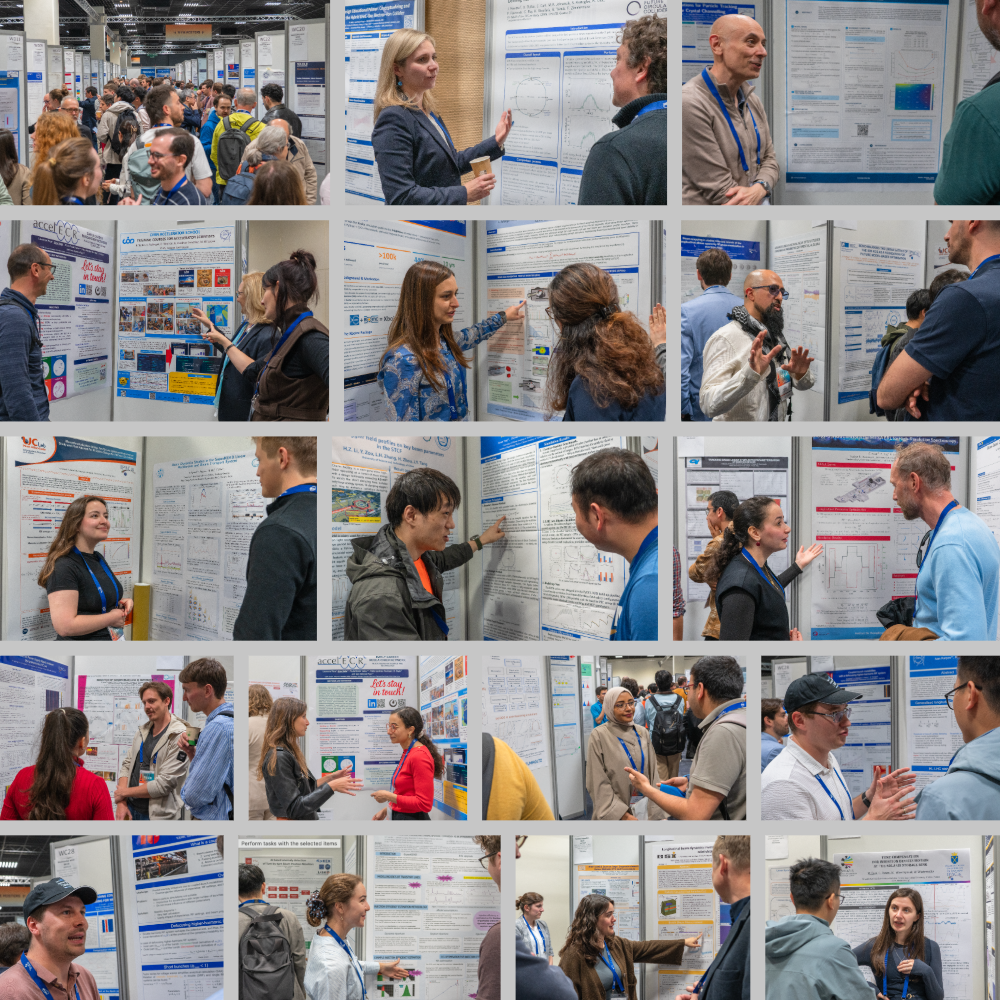
Inside CAS at IPAC26: Digital growth meets community impact
Inside CAS at IPAC26: Digital growth meets community impact CAS used IPAC26 to connect knowledge, people, and opportunities. With over 1500 atendees, IPAC is a unique opportunity to explore the latest breakthroughs in accelerator research and development. It is also the premier annual gathering for the global accelerator community, bringing together scientists, engineers, and industry professionals from
-
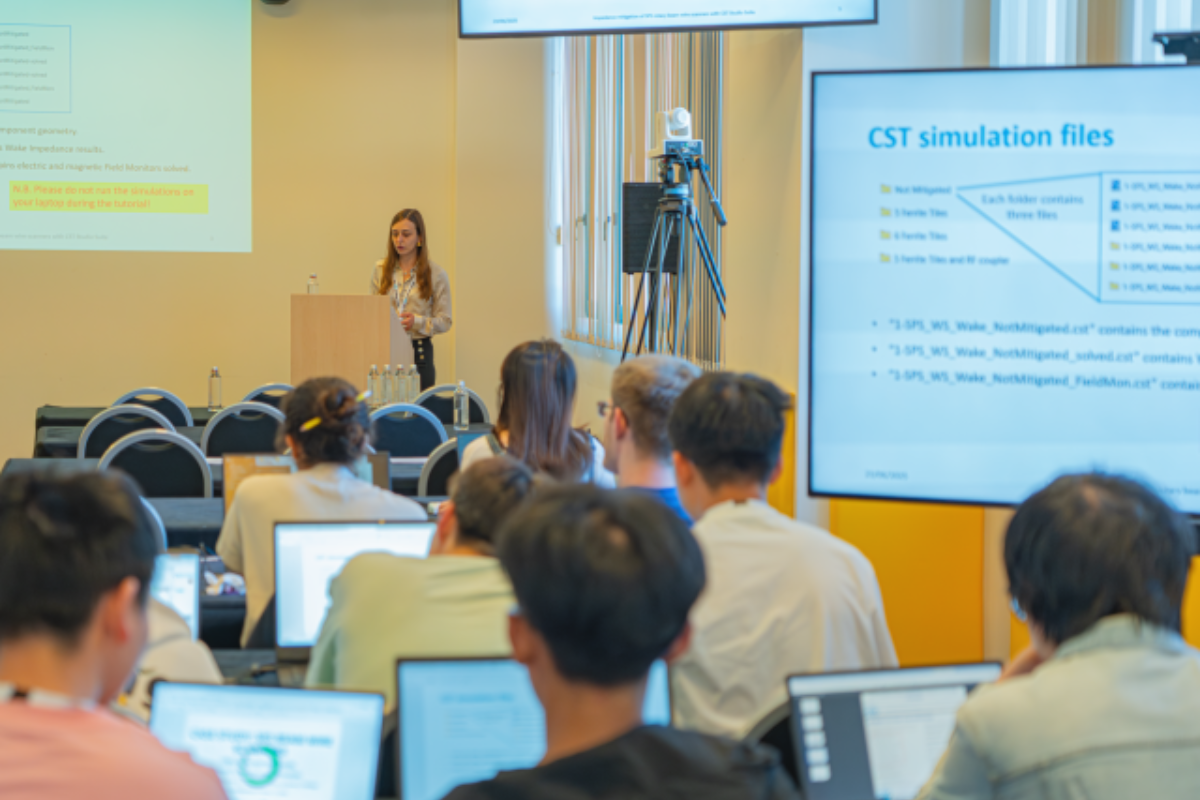
‘How I became a CERN Accelerator School teacher’
Michela Neroni, an Italian engineer, recounts her career journey that has led her to working at CERN and teaching a new generation of accelerator scientists
-
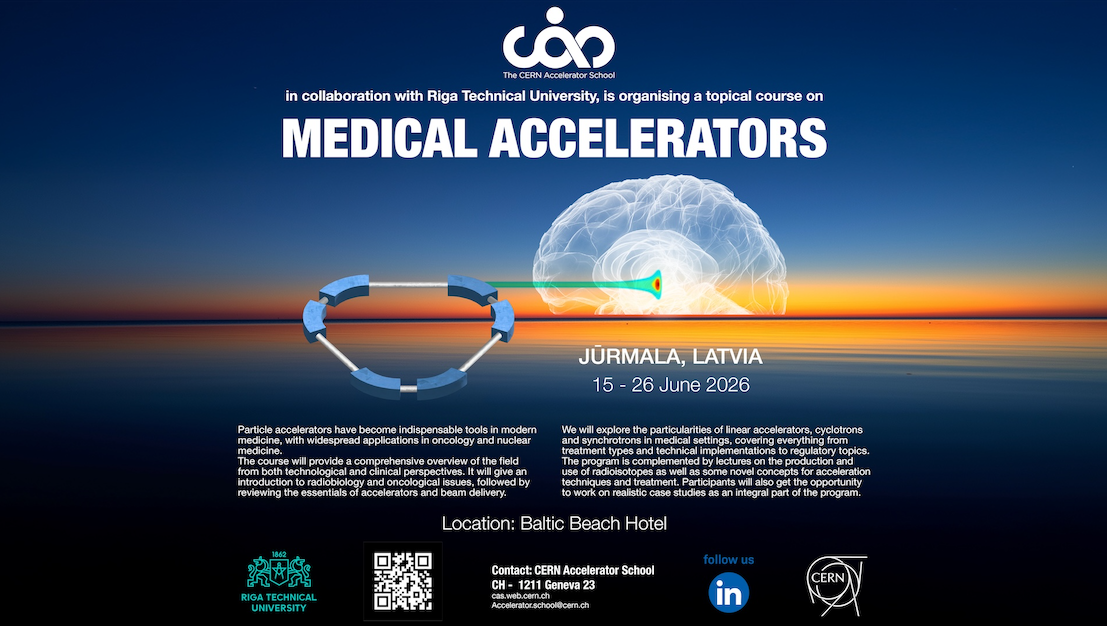
A CAS course on advancing cancer therapy with particle accelerators
A CAS course on advancing cancer therapy with particle accelerators Particle accelerators have long been synonymous with fundamental physics discoveries, Nobel prizes, new technologies and research at laboratories like CERN. By Noemi Caraban Gonzalez What is not widely known is that, of the almost 47’000 particle accelerators in operation around the world, only 6% are
-
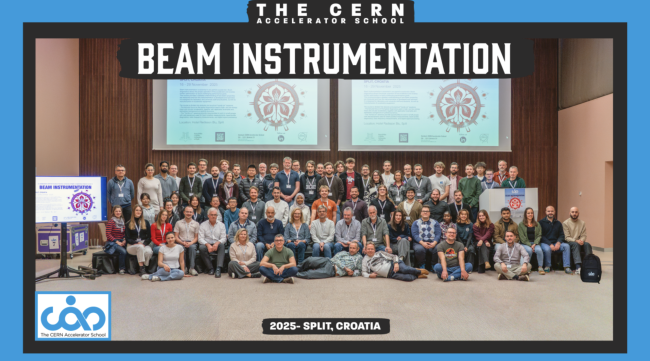
Training the eyes of an accelerator: CAS Beam Instrumentation Course in Split
The head of the Beam Instrumentation Group, Thibaut Lefevre, and a member of the program committee for this course, came as a lecturer and hands-on expert. Ironically, Thibaut never attended a CAS course as a student. His first contact with CAS came in 2007, when, after years working at CERN, he was invited by then…
-
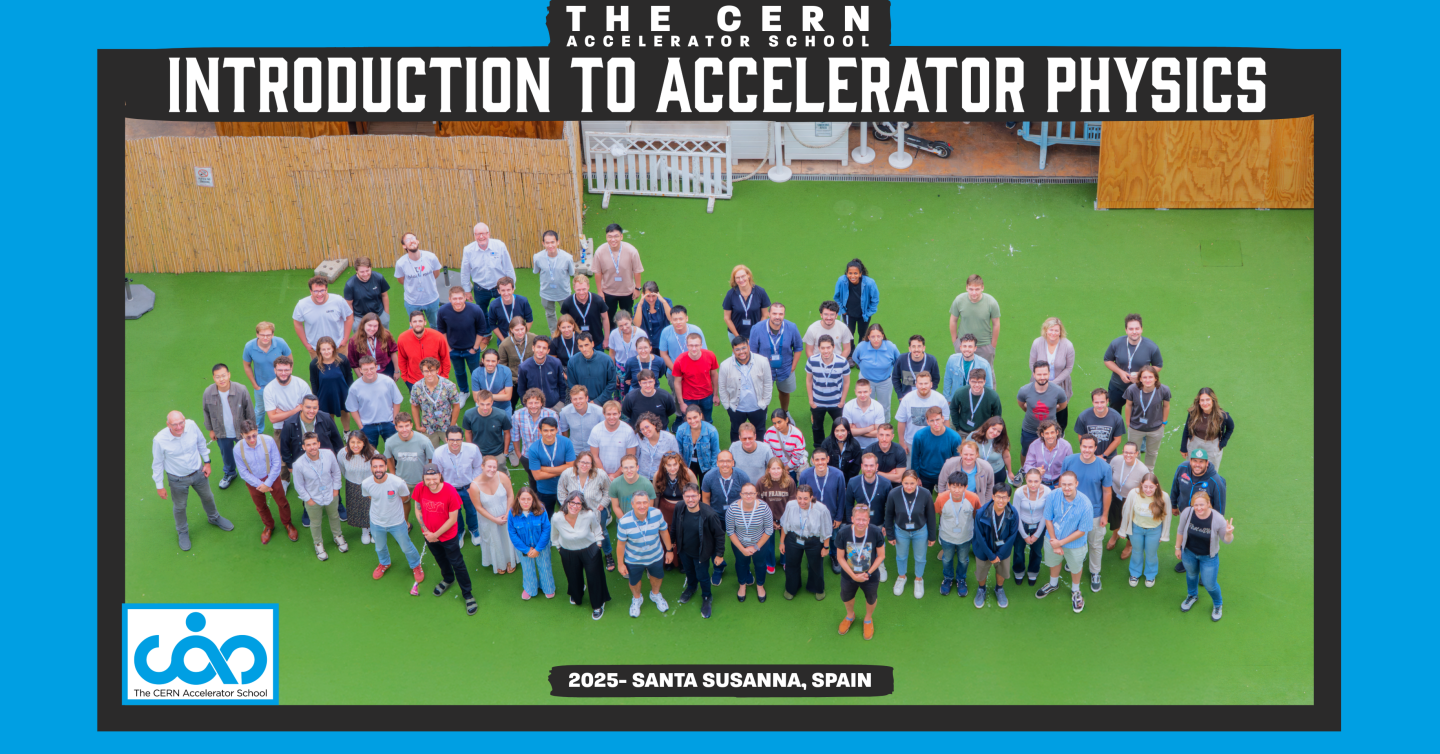
CERN Accelerator School Successfully Concludes Introduction to Accelerator Physics Course in Spain
The residential course delivered comprehensive coverage of fundamental accelerator physics concepts through a blend of theoretical lectures and practical applications.
-
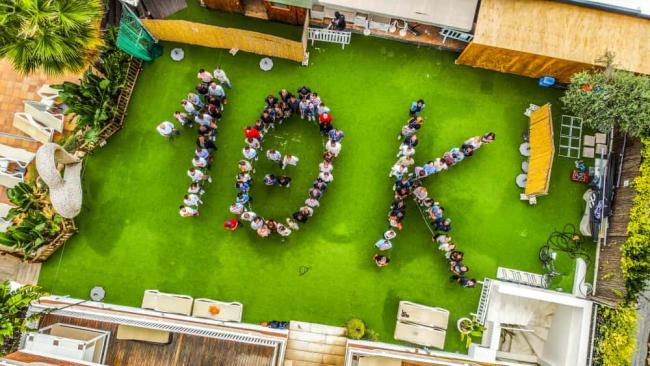
10K Followers on Linkedin
For over 40 years, the CERN Accelerator School has been assembling and disseminating knowledge on accelerator physics and technology. Today, our LinkedIn platform serves as the digital extension of our educational mission, providing our 10,000-strong community with comprehensive resources that reflect our commitment to advancing accelerator physics education worldwide.
-
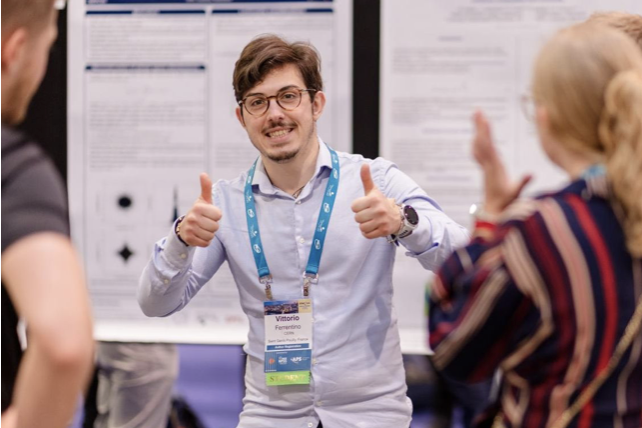
A Journey of Discovery: How CAS transformed my career and perspective
When Vittorio Ferrentino first arrived at CERN for a six-month master’s internship, he had no idea how much the experience would shape his future. Even amidst the challenges of the COVID-19 pandemic, he found himself captivated by the world of accelerators.
-

Another successful CERN Accelerator School course completed
This is why we’re thrilled to share some highlights from our recent specialised course on “Intensity Limitations in Hadron Beams” held in the beautiful setting of Borovets, Bulgaria (June 15-27, 2025).
-
Towards brighter and more intense hadron beams, understanding challenges and limitations
Increasing the intensity and brightness of hadron accelerators is an increasing need to meet the demands accelerator-based nuclear and particle research, as well as applications in the fields of, for example, medical and material sciences.
-
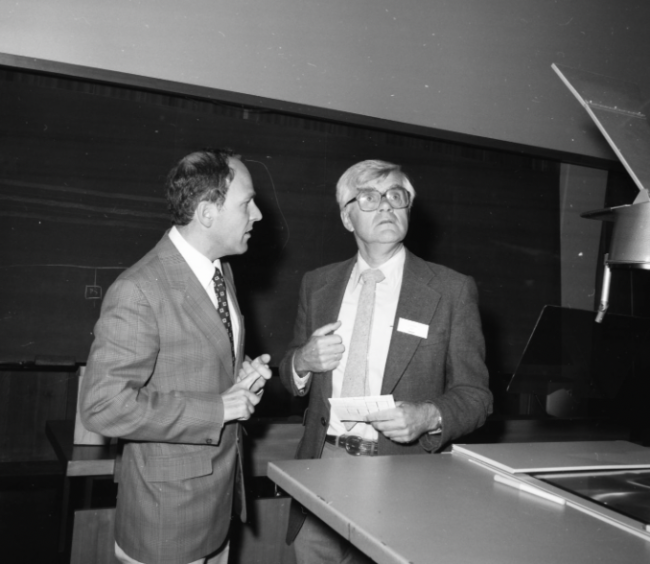
Opening addresses of the first CAS
In 1983, a significant milestone was achieved in the field of accelerator science with the inauguration of the CERN Accelerator School (CAS).This initiative began a structured effort to educate and engage early-career researchers and seasoned scientists alike in the rapidly